|
SENIOR DOG HEALTH
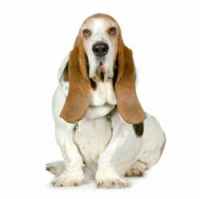
Is your dog considered a “senior” yet? Senior dog health is another stage in your dog's life you need to know about. Small dog breeds live longer than larger breeds, so 10-13 years is considered a senior for them. Of course, each dog is an individual so ask your vet to determine this for you.
There are certain health problems older dogs have and they of course differ depending on your dog’s size, breed and activity level. Here are some of the problems:
He may develop arthritis, which is why he slows down. This can be helped by giving him an anti-inflammatory drug. Talk to your veterinarian about your dog. Ask him what to expect as he ages. Also, ask him how often he should have his check-ups and tests. Most vets recommend urinalysis, blood tests plus an EKG.
Physical changes occur like his inability to heal as fast if he gets an infection. Kidneys seem to be one of the most common systems to wear out. He may have inappropriate elimination. If he has excessive urination or incontinence your dog could have diabetes or kidney failure but if caught early it can be treatable. Here are some signs you should take note of and if your senior dog displays any call your veterinarian. I would just say anything unusual in your dog – be sure – consult your vet. There are things you can do to help keep your dog healthy. Besides the visits to your vet, keeping vaccinations up to date and their annual testing think about: Nutrition An older dog has different nutritional needs so find a dog food that is made especially for older dogs or look into home-prepared food for him. He needs a diet that is lower in fat, calories and fat. It needs to be easily chewed and digested. Another thing you need to keep your dog’s weight under control to help stop development of disease. Check out this page for 245 healthy recipes for you dog - young and old. Click Here! Exercise Dogs need exercise even now just adjust it to their changing abilities. Dietary Supplements Ask your vet if a mineral or vitamin supplement is needed for your dog. Dental Keep teeth clean – brush daily. Besides obesity, periodontal disease is the most common problems a vet sees. Lastly, keep him clean, active, comfortable and happy!
Here is an idea for you since we are talking about this stage of your dog's life but he can be in any age to get this book. I found a book to preserve and record a lasting memory of your dog called " The Life of My Dog." Click Here!
"A good dog never dies he always stays he walks besides you on crisp autumn days when frost is on the fields and winter's drawing near, his head is within our hand in his old way."
--Mary Carolyn Davies
|